
CANCIONES DEL SOLAR DE LOS ABURRIDOS
WILLIE COLÓN & RUBÉN BLADES
Artwork
Photos
Pack Shots
Videos
Promo Request
Press Release
COMUNICADO DE PRENSA
Contact

Willie_Colon_Ruben_Blades_Canciones_del_Solar_Press Release FINAL2
CRAFT LATINO ANNOUNCES THE RETURN OF
CANCIÓNES DEL SOLAR DE LOS ABURRIDOS
THE GRAMMY®-NOMINATED 1981 ALBUM FROM SALSA PIONEERS WILLIE COLÓN AND RUBÉN BLADES
Mastered from its original analog tapes, the long-out-of-print album features the politically charged
“Tiburón,” plus “Te están buscando” and “Ligia Elena”
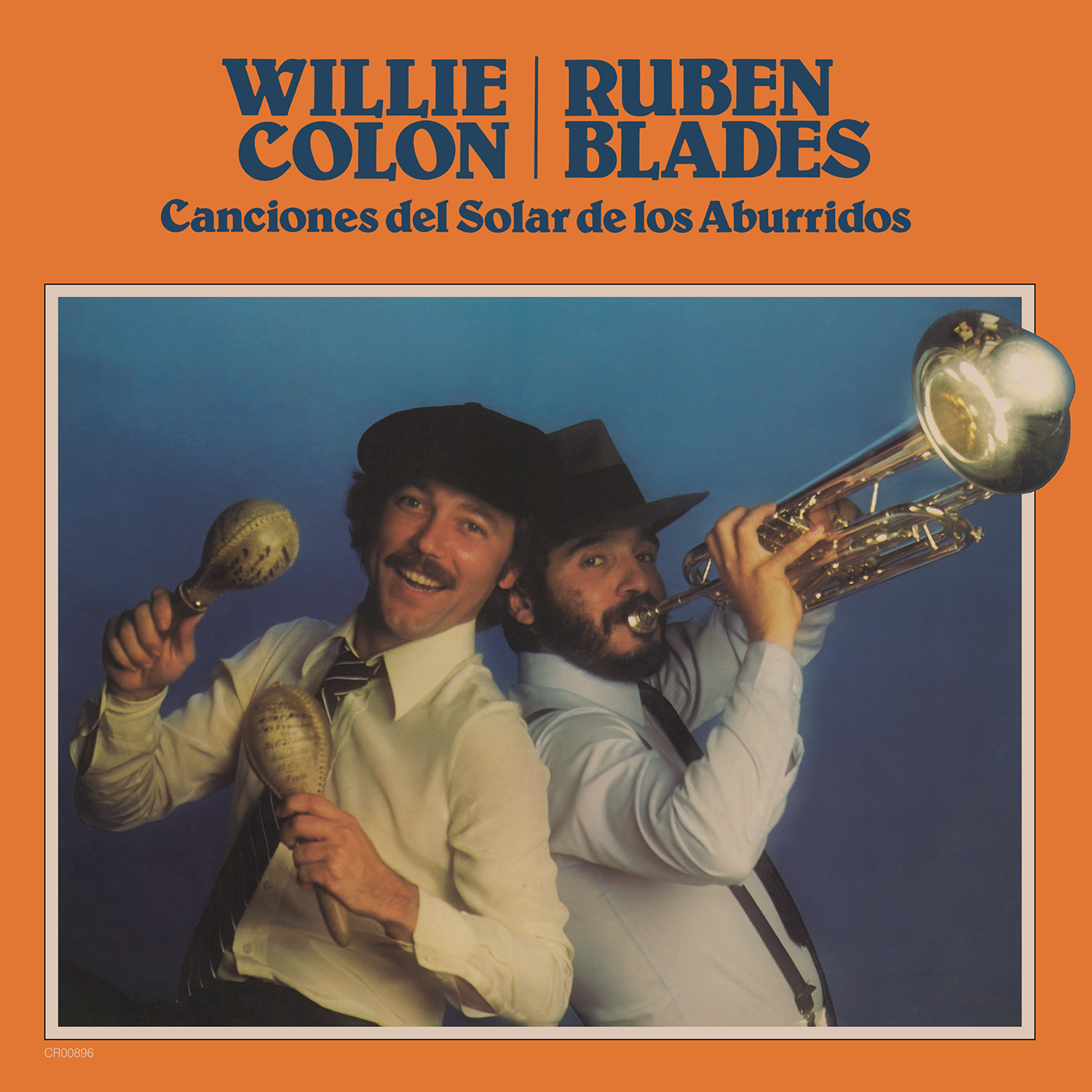
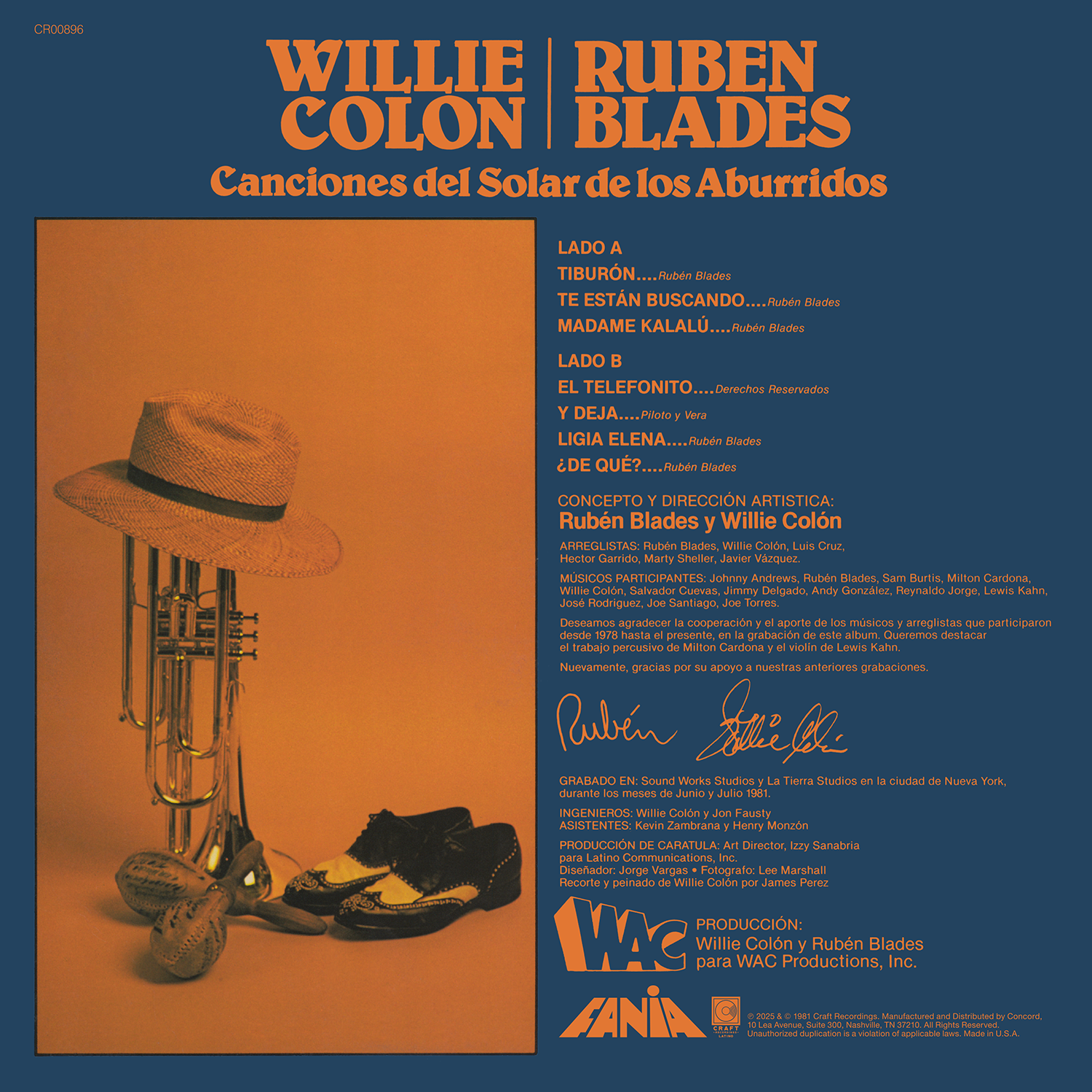
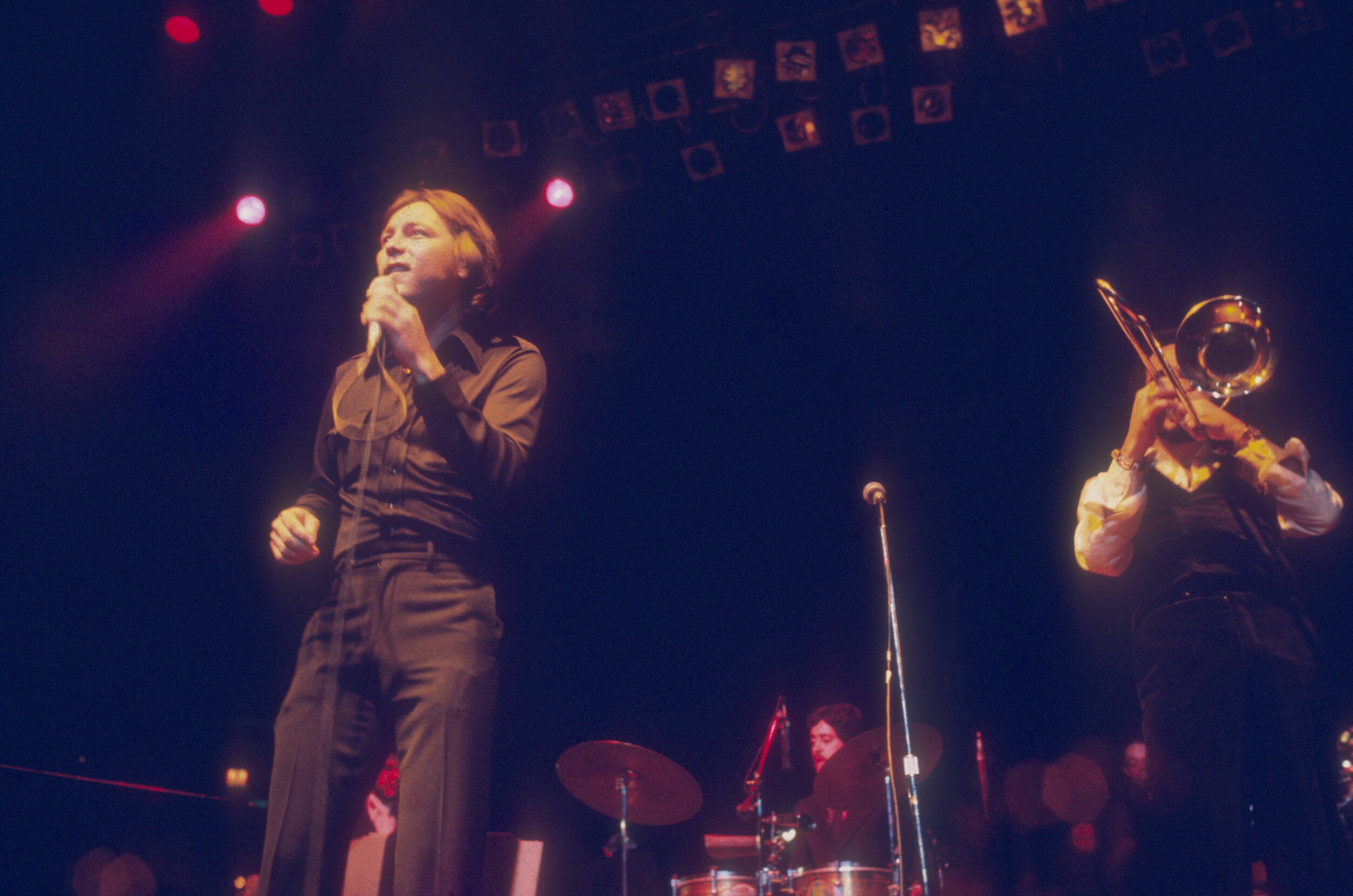
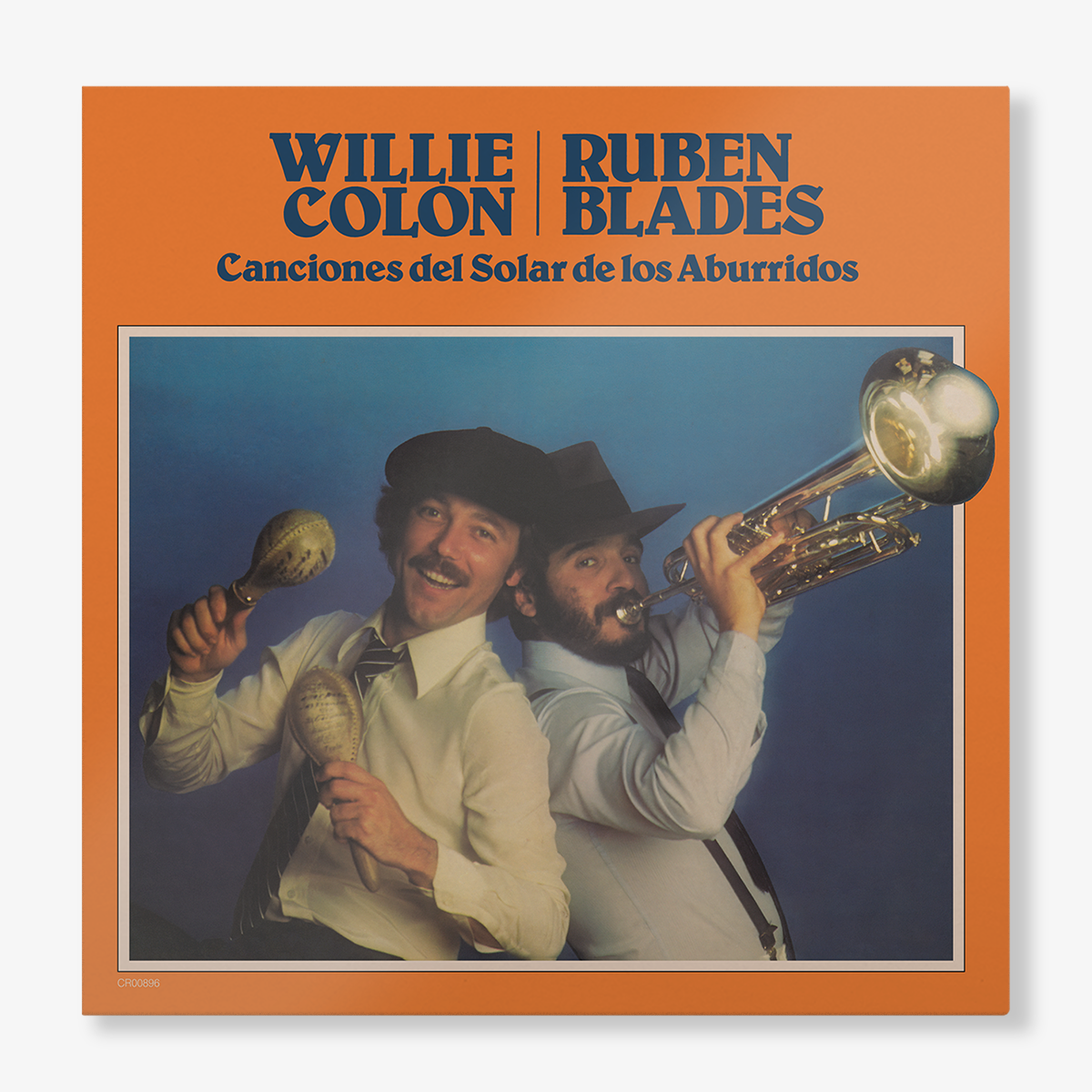
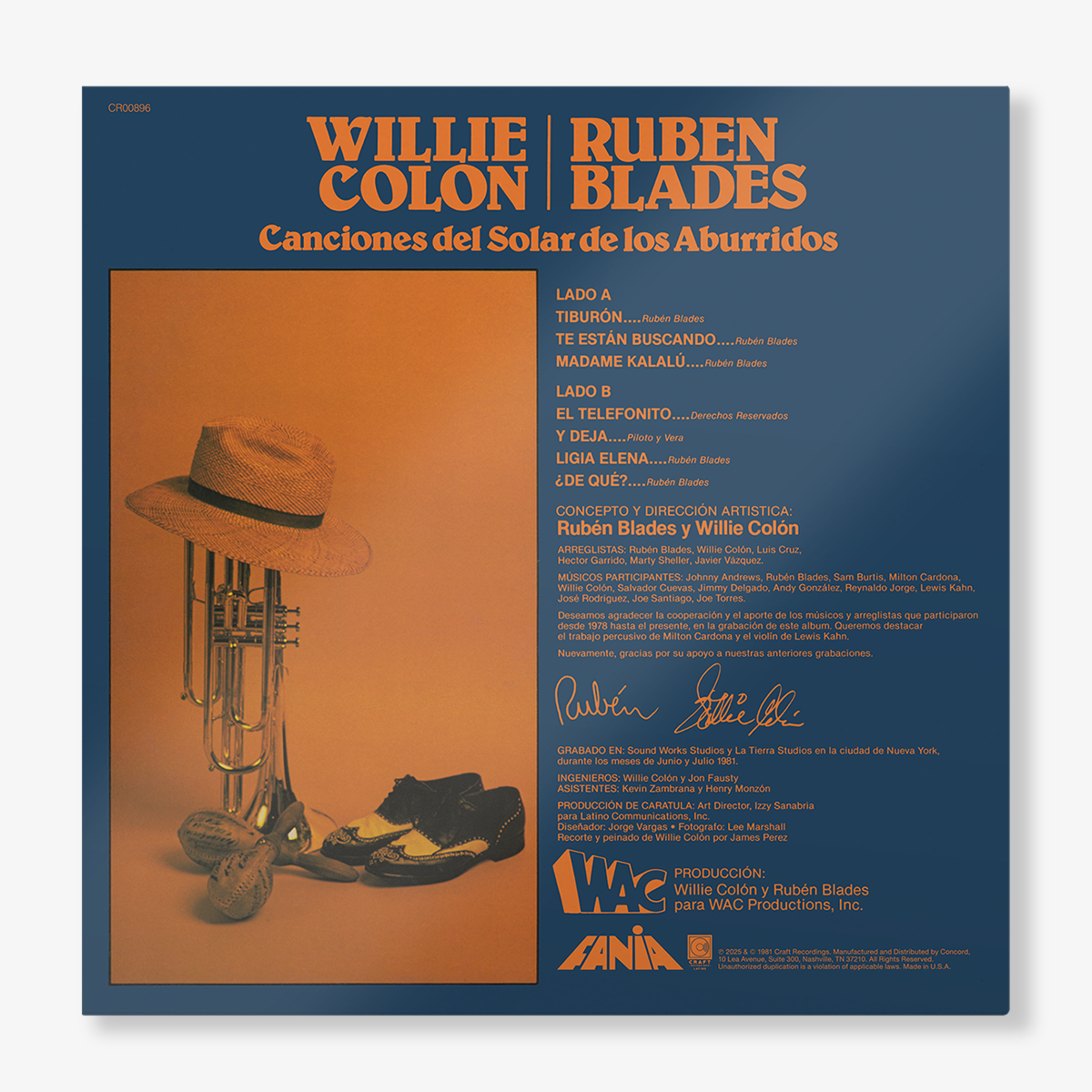
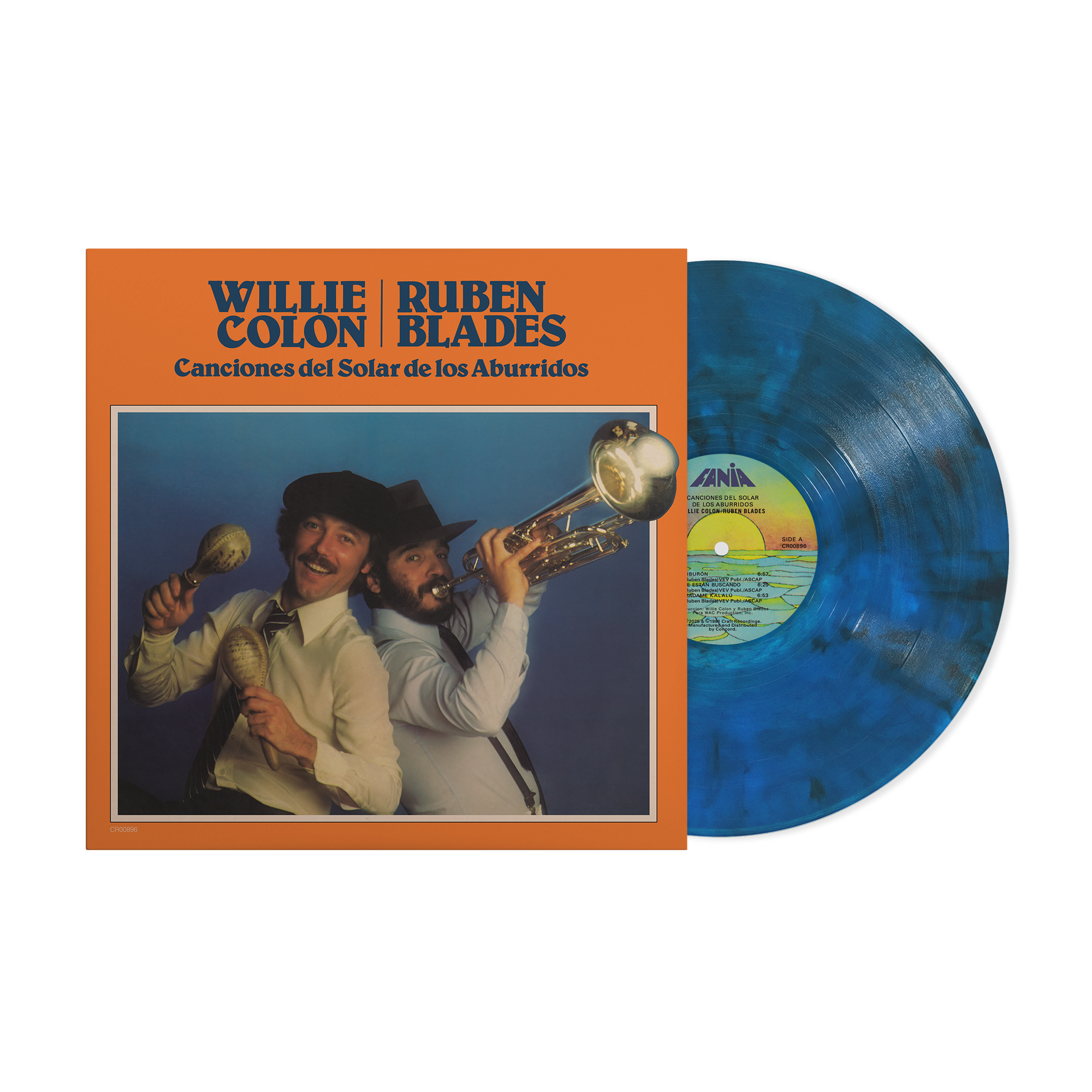
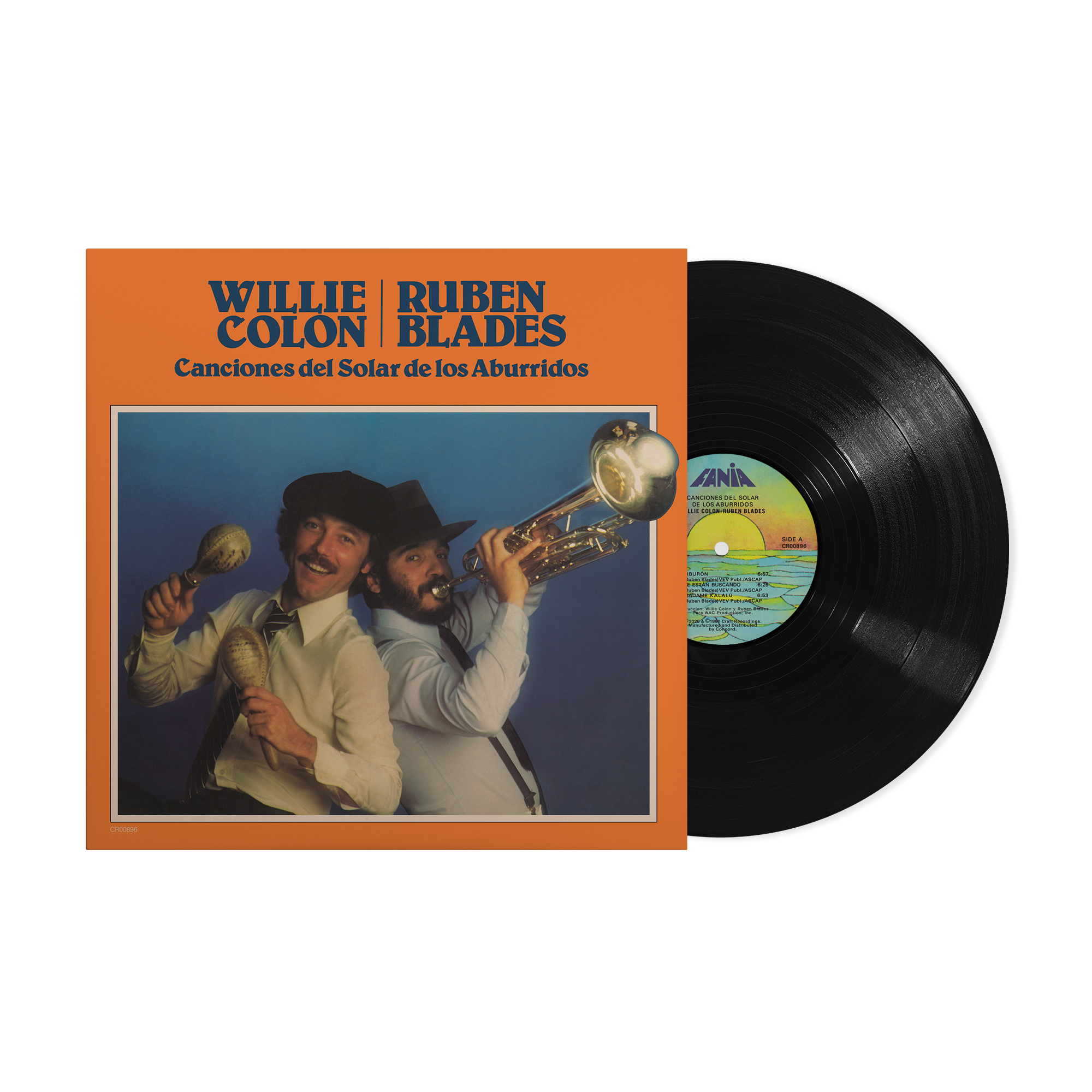
Los Angeles, CA (July 23, 2025)—Craft Latino is pleased to announce a 180-gram vinyl reissue of 1981’s Canciónes del Solar de Los Aburridos, the GRAMMY®-nominated album from bandleader, producer and trombone player Willie Colón and singer-songwriter Rubén Blades. Marking the legendary duo’s third collaborative album, Canciónes del Solar de Los Aburridos carried on Blades’ pioneering tradition of “conscious salsa” through politically charged songs like “Tiburón,” plus such fan favorites as “Te están buscando” and “Ligia Elena.” Now freshly mastered with (AAA) lacquers cut from the original master tapes, the long-out-of-print title returns to its original format on September 19th, while fans can also stream the album in high-resolution audio—available now on select platforms. In addition, a limited-edition (only 300) “Azul Ahumado” (Blue Smoke) color vinyl variant is available exclusively at Fania’s online store, bundled with a collectible T-shirt. Both vinyl options are available for pre-order starting today.
***
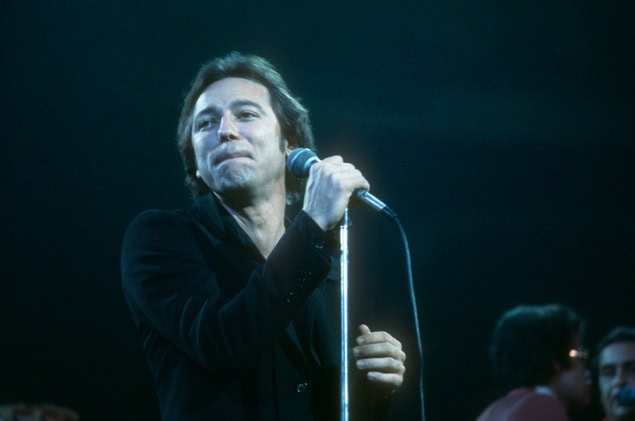
The story of Canciónes del Solar de Los Aburridos begins more than a decade earlier with Willie Colón (b. 1950). A pioneering force in salsa music, the bandleader and trombone player was just 15 years old when he signed to Fania Records, where he became a sensation alongside singer Héctor “El Cantante” Lavoe. Together, the pair released 11 genre-defining albums, including 1967’s El Malo, 1970’s Cosa Nuestra and the 1971 Christmas classic Asalto Navideño, before amicably parting ways. While Colón pursued a variety of behind-the-scenes projects as a producer, composer, arranger and musical director, he soon found himself eager to return to the studio for his own projects—when a rising Panamanian singer-songwriter caught his ears.
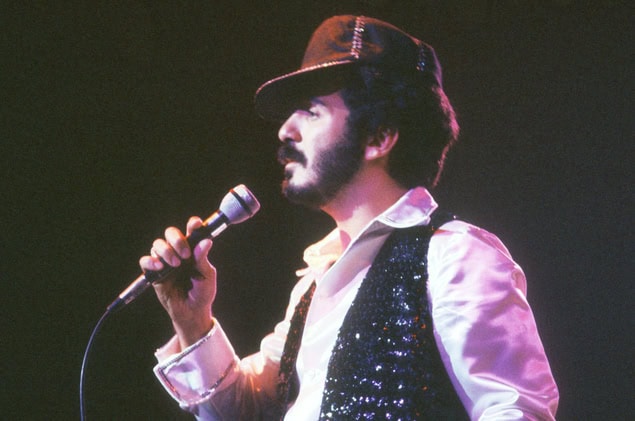
In his home country, Rubén Blades rose to prominence as a vocalist with such popular groups as Los Salvajes del Ritmo and Bush y sus Magníficos, while also pursuing his studies in political science and law. In 1970, Blades released his US debut with De Panamá a New York (alongside Pete Rodriguez) and, eventually, relocated to New York, where a job in Fania’s mailroom led to collaborations with the label’s biggest stars, including Ray Barretto, Larry Harlow and Willie Colón. After guesting on the latter artist’s 1975 album, The Good, the Bad, the Ugly (with Lavoe and Yomo Toro), Blades was officially tapped to take over vocal duties for the bandleader’s orchestra.
The Blades-Colón partnership launched in 1977 with Metiendo Mano, a groundbreaking album that spoke to the struggles and dreams of Latin Americans. Featuring such memorable selections as “Pablo Pueblo,” “Plantación adentro” and “Según el color,” the release inspired a new tradition of socio-political narrative in salsa music, dubbed “conscious salsa.” Their 1978 follow-up, Siembra, soon became the best-selling salsa album of all time, thanks to now-iconic tracks like “Pedro Navaja” and the disco-flavored anthem “Plástico.” By 1981, the pair was at the peak of their prowess as they entered the studio to record their third collaboration, Canciónes del Solar de los Aburridos,
Translating to Songs From the Tenements of the Bored, the album was primarily composed by Blades and offered a return to the classic “hard salsa” sound. It was also the duo’s most controversial release, thanks to politically charged songs like “Tiburón.” Translating to “Shark,” the opening track served as a metaphor for imperialism and delivered a blistering commentary on US/Latin American policy—leading some fans in the Cuban community to accuse Blades of being a communist sympathizer. The album also addressed such topics as racism (“Ligia Elena”—about a white debutante who elopes with a Black musician) and materialism (“¿De qué?,” featuring a Venezuelan joropo rhythm—a nod to the duo’s fervent fanbase in the country).
But Canciónes del Solar de los Aburridos also focuses on lighter topics, including matters of the heart. “El telefonito,” for example, finds the track’s subject calling a former lover in vain, while the samba-inspired “Y deja” is a sweet love song penned by Gerardo Piloto and Alberto Vera, featuring a joyful violin solo by Lewis Kahn (known best for his work with the Larry Harlow Orchestra). There are also several witty moments, including “Madam Kalalú”—about a fraudulent psychic who scams her customers—as well as the popular “Te están buscando,” in which Blades tells the tale of a gambler dodging loan sharks. The latter song features standout solos by Kahn and longtime Colón conguero Milton Cardona.
Amid the controversy surrounding “Tiburón,” many US radio stations shied away from playing the album. Colón even once recalled that the politically charged songs “Caused us a lot of trouble, so much so that at one point . . . we had to perform in bulletproof vests.” Despite the uproar, Canciónes del Solar de los Aburridos went on to become the duo’s second most successful album, while “Tiburón,” “Te están buscando,” and “Ligia Elena” were hits across Latin America and Puerto Rico. Canciónes del Solar de los Aburridos was also a critical sensation, earning a GRAMMY®nomination for Best Latin Recording, while the album has long been considered to be a high point in the salsa canon. In a retrospective review, AllMusic hailed, “This album is among [Colón and Blades’] finest: ominous harmonies, meaningful lyrics, tradition shot with experimentation: constant surprise and constant pleasure.”
The pair continued their musical partnership at Fania with one more album, 1982’s The Last Fight. Thirteen years later, they reunited for Tras la Tormenta. Today, they both enjoy living legend status. Blades—now a 12-time GRAMMY® and Latin GRAMMY® winner—remains one of Latin music’s most successful singer-songwriters, as well as an EMMY®-nominated actor, activist and politician. The highly decorated artist remains active in the studio, on the road and in front of the camera—most recently as a series regular on AMC’s Fear the Walking Dead, with prominent roles in films like Safe House (2012) and Hands of Stone (2016). Earlier this year, Blades released Fotografías, his latest album with longtime collaborators Roberto Delgado & Orquestra.
Willie Colón, meanwhile, has long been recognized as one of the most successful salsa artists of all time, with over 30 million albums sold. In addition to collaborating with everyone from “Queen of Salsa” Celia Cruz and David Byrne to Soledad Bravo and Ismael Miranda, the Bronx native has also dedicated his energy to New York City politics and activism. A Latin GRAMMY® Lifetime Achievement Award winner and multiple GRAMMY® nominee, Colón was inducted into the International Latin Music Hall of Fame and the Latin Songwriters Hall of Fame, while in 2015, Billboard named him one of the 30 most influential Latin Artists of All Time.
Click here to pre-order Canciones del solar de los Aburridos.
Click here to find the exclusive bundle including the “Azul Ahumado (Blue Smoke)” color vinyl with a collectible T-shirt.
Canciónes del Solar de Los Aburridos tracklist:
Side A
Side B
*Digital tracklist mirrors Vinyl
About Fania:
Highly influential, both musically and culturally, Fania Records spread the sound of salsa music from the clubs of New York City to the rest of the world and became a revered global brand in the process. Fania’s master recording catalog is the definitive home for genres such as Latin big band, Afro-Cuban jazz, boogaloo, salsa and Latin R&B and includes artistic giants such as Celia Cruz, Willie Colón, Héctor Lavoe and Rubén Blades. With the creation of the international supergroup known as the Fania All-Stars, the label’s signature musical style became known as the “Fania Sound.” Fania’s rich master catalog also includes the Pete Rodriguez’s boogaloo classic “I Like It Like That” which was sampled by Cardi B in her #1 hit “I Like It.” Additionally, three Fania Recordings, Celia & Johnny by Celia Cruz and Johnny Pacheco, Azucar Pa’ Ti by Eddie Palmieri and Live at Yankee Stadium by the Fania All-Stars, appear in the National Recording Registry, a list of sound recordings that “are culturally, historically or aesthetically important, and/or inform or reflect life in the United States.” For more info, visit Fania.com and follow on YouTube, Facebook, Twitter, Instagram, and TikTok.
About Craft Latino:
Craft Latino is home to one of the largest and most prestigious collections of Latin music master recordings and compositions in the world. Its rich and storied repertoire includes legendary artists such as Antonio Aguilar, Joan Sebastian, Pepe Aguilar, Celia Cruz, Héctor Lavoe, Willie Colón, Ray Barretto, La Lupe, Ruben Blades and the Fania All Stars, to name just a few. Renowned imprints with catalogs issued under the Craft banner include Musart, Fania, TH, Panart, West Side Latino and Kubaney, among many others. Craft creates thoughtfully curated packages, with a meticulous devotion to quality and a commitment to preservation, ensuring that these recordings endure for new generations to discover.
Craft Latino is the Latin repertoire arm of Craft Recordings. The catalog label team for Concord. For more info, visit CraftRecordings.com.
###
PRESS RELEASECOMUNICADO DE PRENSA - Download
CRAFT LATINO ANUNCIA EL REGRESO DE
CANCIONES DEL SOLAR DE LOS ABURRIDOS
EL ÁLBUM NOMINADO AL GRAMMY® DE 1981 DE LOS PIONEROS DE LA SALSA WILLIE COLÓN Y RUBÉN BLADES
Remasterizado a partir de sus cintas analógicas originales, este álbum previamente descatalogado incluye la emblemática y fuertemente política “Tiburón”, además de “Te están buscando” y “Ligia Elena”
Los Ángeles, CA (23 de julio de 2025) — Craft Latino se complace en anunciar una reedición en vinilo de 180 gramos del álbum Canciones del Solar de Los Aburridos de 1981, el aclamado álbum nominado al GRAMMY® del director de orquesta, productor y trombonista Willie Colón y el cantautor Rubén Blades. El tercer álbum colaborativo de esta legendaria dupla, Canciones del Solar de Los Aburridos, continuó la tradición de Blades de hacer “salsa consciente” con temas políticamente cargados como “Tiburón”, además de favoritas del público cómo “Te están buscando” y “Ligia Elena”. Ahora remasterizado con lacas (AAA) cortadas desde las cintas maestras originales, el título regresa a su formato original el 19 de septiembre, mientras los fans pueden escucharlo ya en audio de alta resolución en plataformas seleccionadas. Además, habrá una edición limitada (solo 300 unidades) en vinilo color “Azul Ahumado”, disponible exclusivamente en la tienda en línea de Fania, acompañada de una camiseta de colección. Ambas ediciones en vinilo ya están disponibles para pre-ordenar desde el día de hoy.
***
El origen de Canciones del Solar de Los Aburridos comienza más de una década antes de su lanzamiento con el propio Willie Colón (n. 1950). Pionero de la salsa, el trombonista y director de orquesta firmó con Fania Records a los 15 años, convirtiéndose en una sensación junto al cantante Héctor “El Cantante” Lavoe. Juntos lanzaron 11 álbumes que definieron el género, como El Malo (1967), Cosa Nuestra (1970) y el clásico Asalto Navideño (1971), antes de embarcarse en otros proyectos (una separación que se hizo en buenos términos). Colón siguió trabajando como productor, compositor, arreglista y director musical, hasta que un joven cantautor panameño llamó su atención.
En su país, Rubén Blades ganó reconocimiento como vocalista en grupos como Los Salvajes del Ritmo y Bush y sus Magníficos, mientras estudiaba Ciencias Políticas y Derecho. En 1970 lanzó su debut en EEUU con De Panamá a New York (junto a Pete Rodríguez) y más tarde se mudó a Nueva York, donde un empleo en el cuatro del correo de Fania lo llevó a colaborar con estrellas como Ray Barretto, Larry Harlow y Willie Colón. Luego de participar en el álbum de Colón The Good, the Bad, the Ugly (1975), Blades fue oficialmente elegido como vocalista principal de su orquesta.
La sociedad Blades-Colón comenzó en 1977 con Metiendo Mano, un álbum pionero que retrató los sueños y luchas de los latinoamericanos en Estados Unidos. Con temas como “Pablo Pueblo”, “Plantación adentro” y “Según el color”, dio inicio a un nuevo estilo de salsa con mensaje social conocido como salsa consciente. Su siguiente disco, Siembra (1978), se convirtió en el álbum de salsa más vendido de todos los tiempos gracias a himnos como “Pedro Navaja” y “Plástico”. En 1981, en su punto más alto como dúo, grabaron su tercera colaboración: Canciones del Solar de los Aburridos.
Canciones del Solar de los Aburridos fue compuesto principalmente por Blades y representó un regreso al sonido clásico de la “salsa dura”. También fue su disco más polémico debido a canciones como “Tiburón”, una metáfora del imperialismo y crítica a la política de EEUU hacia América Latina. Tal era la combatividad del disco que inclusive algunos sectores de la comunidad cubana acusaron a Blades de simpatizar con el comunismo. El álbum también abordó temas como el racismo (“Ligia Elena”, sobre una debutante blanca que se fuga con un músico negro) y el materialismo (“¿De qué?”, con ritmo de joropo venezolano, en homenaje a sus fans del país).
Pero no todo fue controversia: el disco también incluyó temas más ligeros, como “El telefonito”, sobre una llamada fallida a un amor pasado, y “Y deja”, una dulce samba de Gerardo Piloto y Alberto Vera con solo de violín de Lewis Kahn (de la orquesta de Larry Harlow). Canciones como “Madam Kalalú” (una psíquica estafadora) y “Te están buscando” (sobre un jugador perseguido por prestamistas) también le añadieron una buena dosis de humor. Esta última incluye solos destacados de Kahn y el conguero Milton Cardona.
La controversia de “Tiburón” hizo que muchas estaciones de radio en EEUU evitaran tocar el disco. Colón recuerda que “nos causaron tantos problemas que… tuvimos que tocar con chalecos antibalas”. A pesar del escándalo, el álbum fue su segundo más exitoso. “Tiburón”, “Te están buscando” y “Ligia Elena” fueron hits en América Latina y Puerto Rico. El disco recibió una nominación al GRAMMY® y se le considera un punto alto en la historia de la salsa. AllMusic escribió: “Uno de sus mejores trabajos: armonías ominosas, letras profundas, tradición con experimentación: sorpresa y placer constantes”.
El dúo lanzó un disco más con Fania, The Last Fight (1982), y más tarde se volvió a reunir en 1995 con Tras la Tormenta. Hoy, ambos artistas son leyendas vivas. Blades, ganador de 12 premios GRAMMY® y Latin GRAMMY®, es también actor nominado al EMMY®, activista y político. Sigue activo en el estudio, en giras y en la pantalla (como parte de Fear the Walking Dead o películas como Safe House y Hands of Stone). Este año lanzó Fotografías, su nuevo álbum junto a Roberto Delgado & Orquesta.
Willie Colón, por su parte, es uno de los salseros más exitosos de todos los tiempos con más de 30 millones de discos vendidos. Ha colaborado con Celia Cruz, David Byrne, Soledad Bravo e Ismael Miranda. También ha estado activo en la política neoyorquina. Ganador del Latin GRAMMY® Lifetime Achievement Award, nominado al GRAMMY®, e incluido en el International Latin Music Hall of Fame y el Latin Songwriters Hall of Fame, fue nombrado por Billboard como uno de los 30 artistas latinos más influyentes de todos los tiempos.
Haz clic aquí para pre-ordenar Canciones del Solar de los Aburridos.
Haz clic aquí para ver el paquete exclusivo que incluye el vinilo color “Azul Ahumado” con una camiseta coleccionable.
Lista de canciones de Canciones del Solar de Los Aburridos:
Lado A
Lado B
*La lista digital es igual a la del vinilo
Sobre Fania:
Altamente influyente, tanto musicalmente como culturalmente, Fania Records difundió el sonido de la música salsa desde los clubes de Nueva York al resto del mundo y se convirtió en una reverenciada marca global en el proceso. El catálogo de masters de grabaciones de Fania es el hogar definitivo para géneros como la big band latina, el jazz afro-cubano, el boogaloo, la salsa y el R&B latino, e incluye a gigantes artísticos como Celia Cruz, Willie Colón, Héctor Lavoe y Rubén Blades. Con la creación del supergrupo internacional conocido como Fania All-Stars, el estilo musical característico de la disquera se conoció como “El Sonido de Fania”. El rico catálogo de masters de Fania también incluye el clásico de boogaloo de Pete Rodriguez “I Like It Like That” que fue sampleado por Cardi B en su hit #1 “I Like It”. Adicionalmente, tres grabaciones de Fania: Celia & Johnny por Celia Cruz y Johnny Pacheco, Azucar Pa’ Ti por Eddie Palmieri y Live at Yankee Stadium por los Fania All-Stars, aparecen en el Registro Nacional de Grabaciones de los Estados Unidos (National Recording Registry), una lista de grabaciones sonoras que son “culturalmente, históricamente y estéticamente importantes, y/o informan o reflejan la vida en los Estados Unidos”. Para más información, visite Fania.com y siga al sello en YouTube, Facebook, Twitter, Instagram, y TikTok.
Sobre Craft Latino:
Craft Latino es el hogar de las colecciones más grandes y prestigiosas de grabaciones masters y composiciones de música latina del mundo. Su rico y variado repertorio incluye a artistas legendarios como Antonio Aguilar, Joan Sebastian, Pepe Aguilar, Celia Cruz, Héctor Lavoe, Willie Colón, Ray Barretto, La Lupe, Ruben Blades y los Fania All Stars, por nombrar a algunos. Sellos discográficos de renombre con catálogos publicados a través de Craft incluyen a Musart, Fania, TH, Panart, West Side Latino y Kubaney, entre muchos otros. Craft crea box sets cuidadosamente curados, con una devoción meticulosa a la calidad y un compromiso a la preservación, asegurando que estas grabaciones perduren para que muchas generaciones las descubran.
Craft Latino es el brazo de repertorio latino de Craft Recordings parte del equipo discográfico de Concord. Para más información, visite CraftRecordings.com.
###
COMUNICADO DE PRENSA