
EDDIE PALMIERI – VAMONOS PA’L MONTE (REMASTERED 2026)
EDDIE PALMIERI
Artwork
Photos
Pack Shots
Videos
Promo Request
Press Release
COMUNICADO DE PRENSA
Contact



PRESS RELEASE - Download

EDDIE PALMIERI’S 1971 MASTERPIECE
VÁMONOS PA’L MONTE
RETURNS TO VINYL ON MARCH 20TH
Pressed on 180-gram vinyl, the remastered album includes such classic tracks as
“Revolt/La libertad logico,” “Comparsa de los locos,” and “Vámonos pa’l monte”
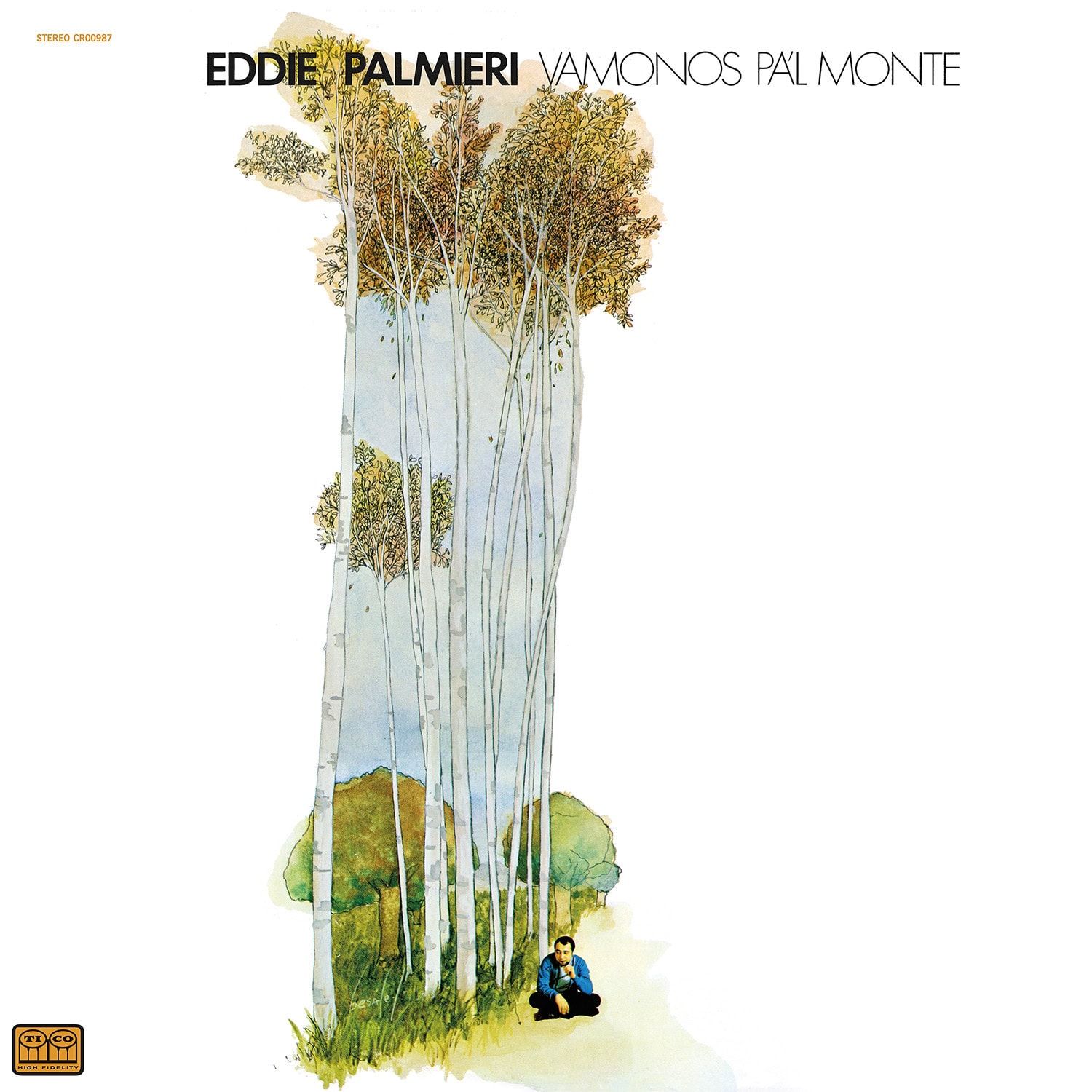
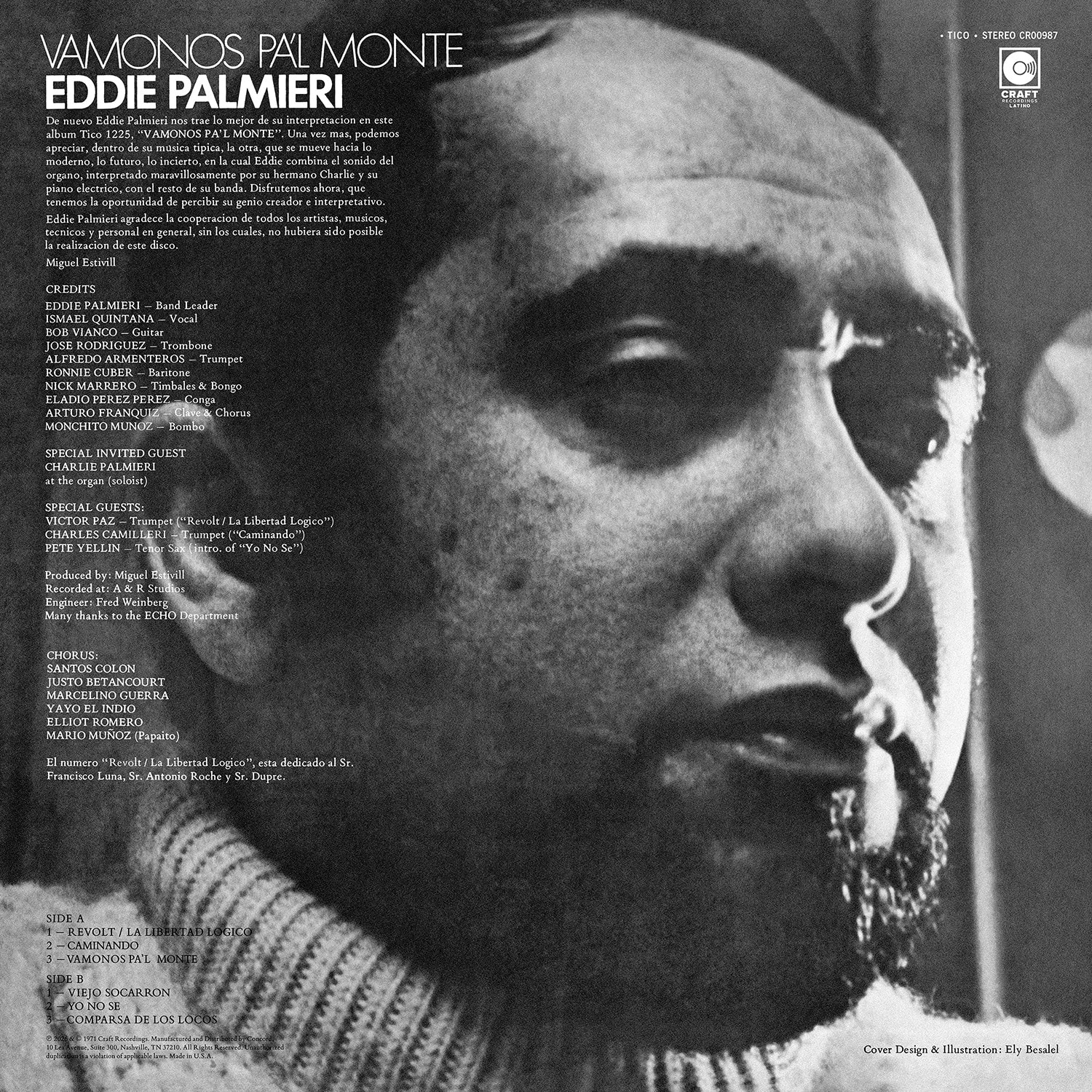
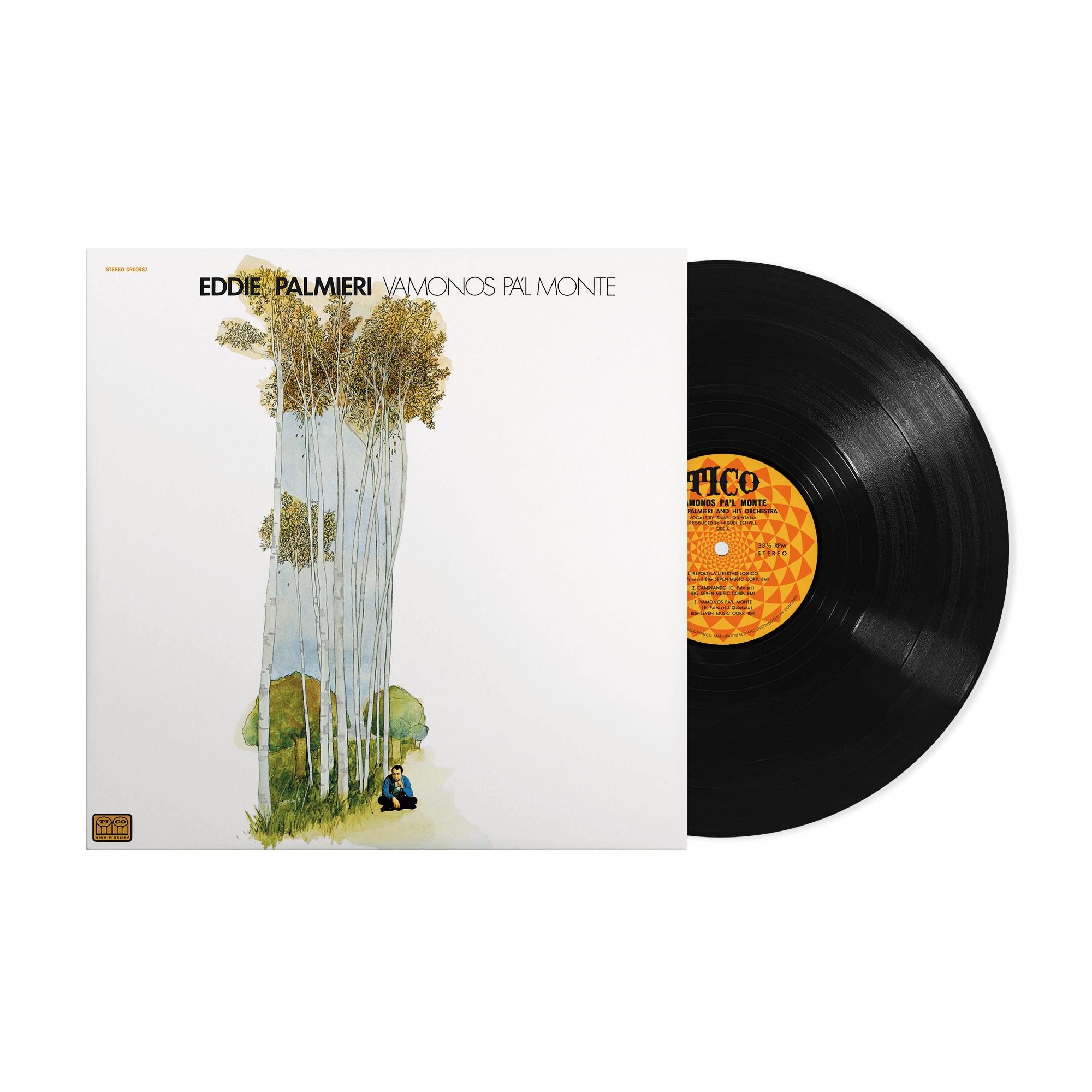
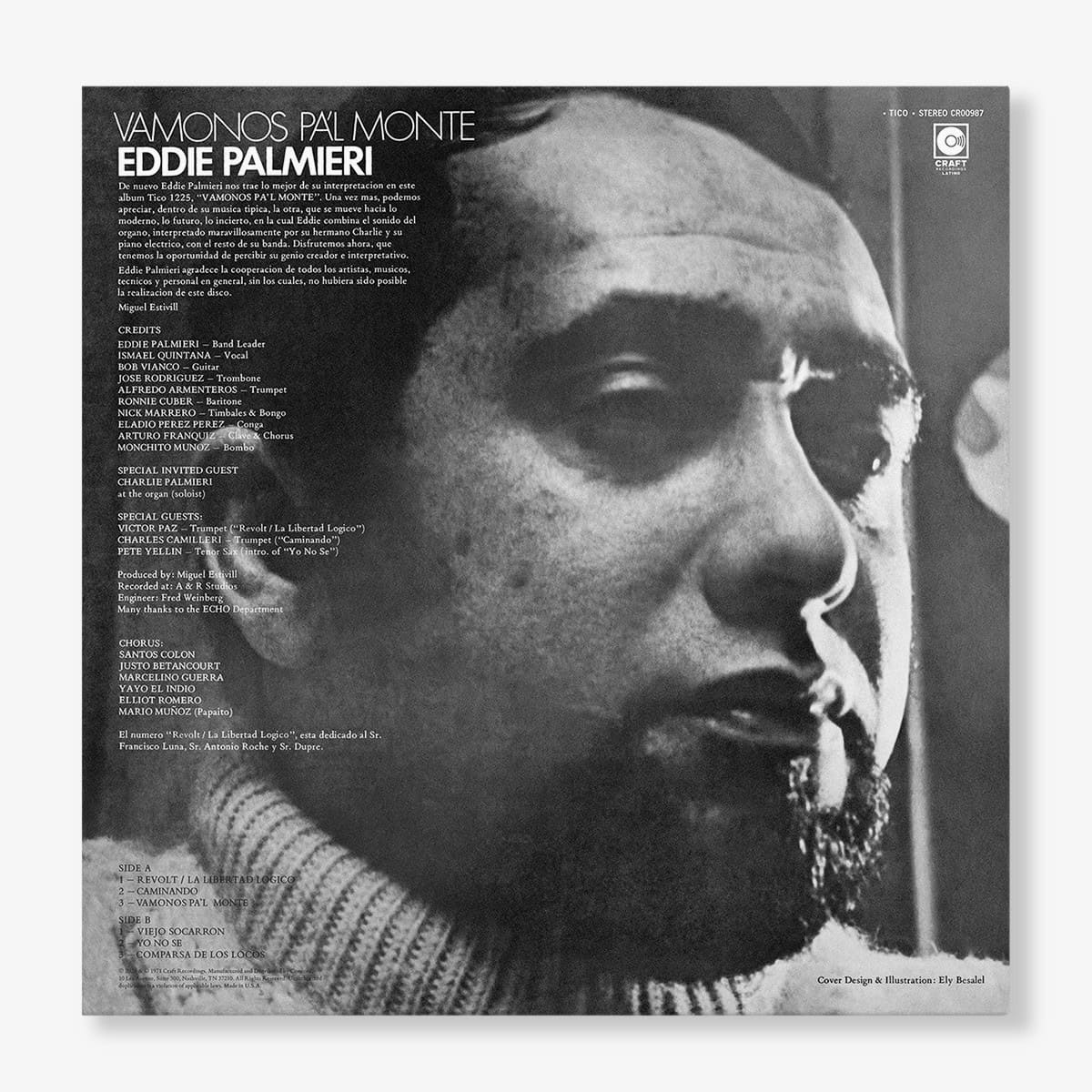
Los Angeles, CA (January 28, 2026)—Craft Latino honors the legendary late bandleader and pianist Eddie Palmieri with a reissue of his 1971 masterpiece, Vámonos pa’l monte. A landmark title in both the Latin jazz and salsa canons, the album features such timeless tracks as “Revolt/La libertad logico,” “Comparsa de los locos” and “Vámonos pa’l monte,” and boasts an all-star line-up, including Charlie Palmieri, Nicky Marrero, Ronnie Cuber and Alfredo “Chocolate” Armenteros.
Long-out-of-print, Vámonos pa’l monte returns to its original format on March 20th, with pre-orders live today and featuring all-analog (AAA) mastering from the original tapes. The album is pressed on 180-gram vinyl and housed in a replica of its original Tico Records jacket. Palmieri fans can also find a limited-edition “Barro & Humo” (Clay & Smoke) color pressing (only 300 copies), as a stand-alone or bundled with a collectible Tico Records T-shirt, exclusively via Fania.com. Fans can also enjoy the remastered album in both standard and HD digital audio available now on digital music platforms.
***
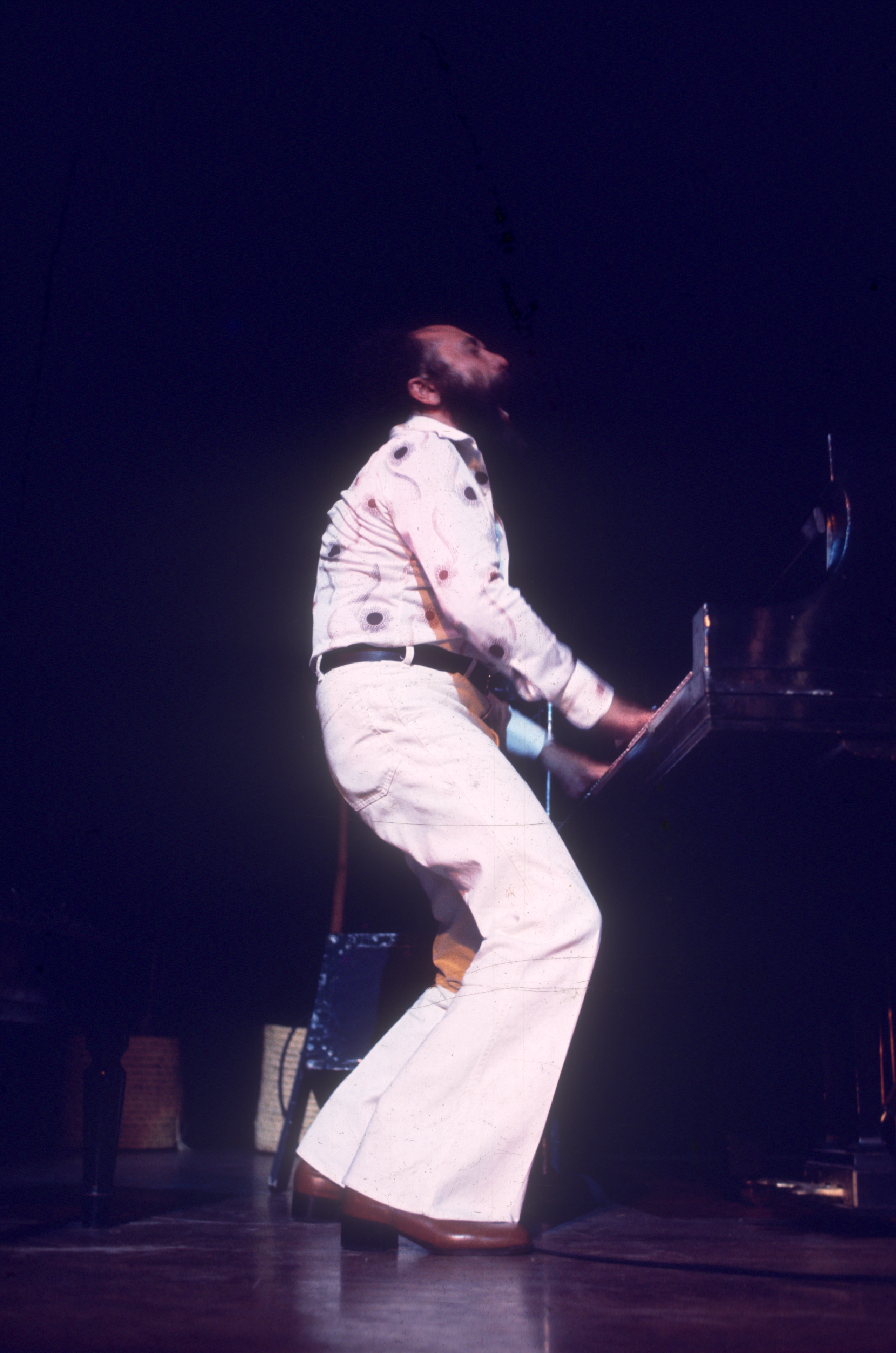
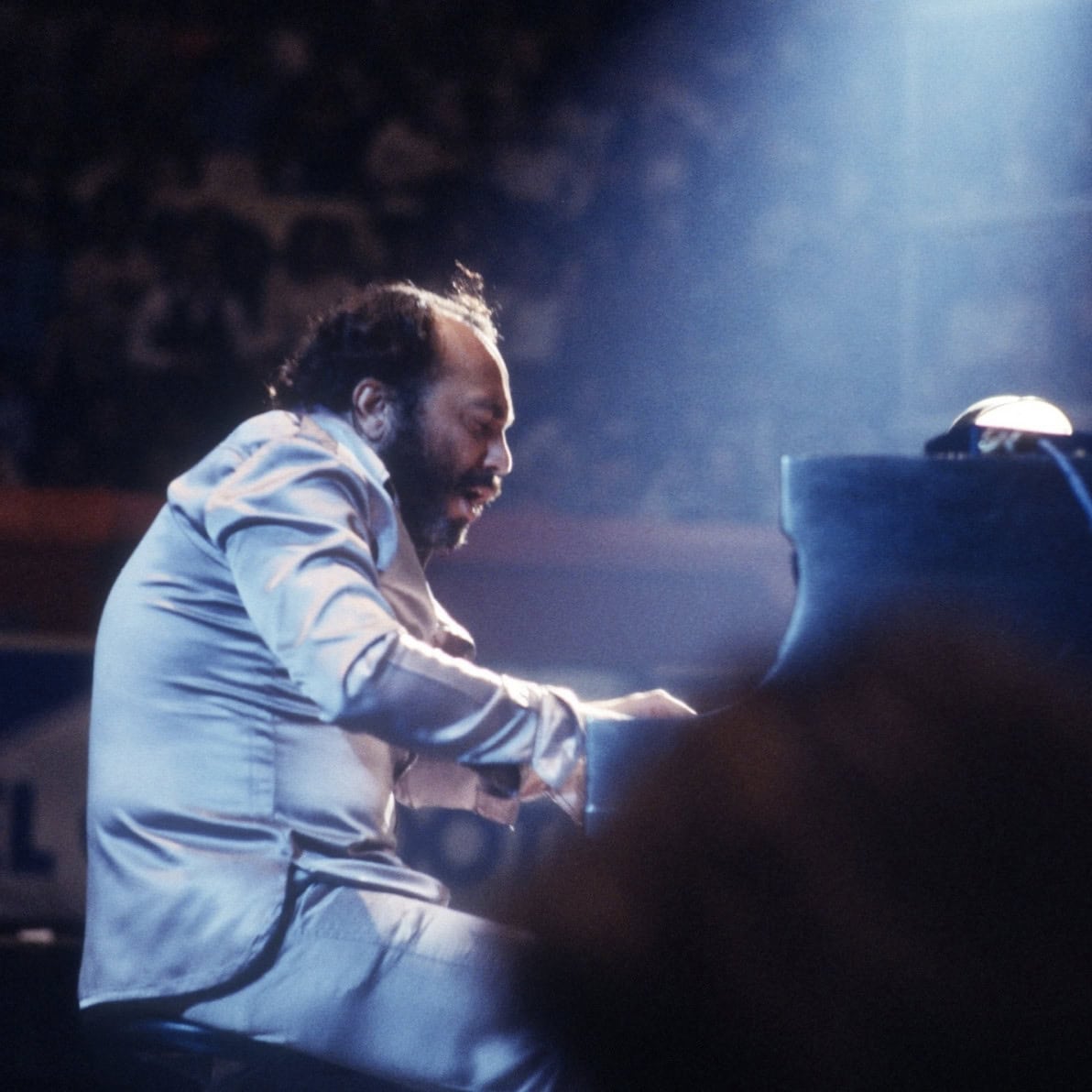
Multiple GRAMMY® Award–winning bandleader, composer, arranger and pianist Eddie Palmieri (1936–2025) was a larger-than-life musical figure. Known for his percussive, highly physical piano technique and his innovative blend of Afro-Cuban rhythms with jazz, Palmieri was a pivotal force in shaping the sound of Latin music.
Born in New York City to Puerto Rican parents, Palmieri grew up in a musical family, including his older brother, the esteemed pianist and bandleader Charlie Palmieri. After cutting his chops as a sideman in Tito Rodríguez’s popular orchestra, Palmieri assembled a band of his own, Conjunto La Perfecta. Over the next nine years, La Perfecta established the jazz-forward “Palmieri Sound” and released a series of hit records. By the end of the decade, however, the dynamic bandleader was eager to expand the scope of his work and began assembling smaller, one-off groups for individual albums, including Justicia (1969),Superimposition (1970) and—as the creative culmination of this era—Vámonos pa’l monte.
A pivotal title in progressive salsa—a subgenre Palmieri was integral to shaping— Vámonos pa’l monte remains a crown jewel in the artist’s catalog. For several years, the bandleader had been experimenting with instrumentation, incorporating sonic elements that were typically unconventional in salsa. Vámonos pa’l monte is no exception, as Palmieri wove in a baritone saxophone (played by Ronnie Cuber), a traditional jazz drum kit (Nicky Marrero), an organ (Charlie Palmieri) and an electric piano, played by the bandleader himself. A host of more typical salsa instrumentation was also employed, performed by such talented musicians as Alfredo Armenteros (trumpet), Jose Rodriguez (trombone) and Eladio Perez (conga), while former La Perfecta singer Ismael Quintana served as vocalist.
The album finds Palmieri weaving together a diverse array of musical styles, from Latin jazz and funky fusion to salsa, descarga, boogaloo, charanga and guaguancó. His unique arrangements, meanwhile, use instrumentation to underscore the socio-political messages of his songs—particularly in the avant-garde opener “Revolt/Libertad lógico,” an anthem for freedom. In liner notes for an earlier edition of the album, Dr. Gregory “Goyo” Pappas notes that “Palmieri’s use of the snare drum was purposeful, emulating a machine gun. What’s more, the driving electric character and aggressive tone of the music is proof of a nonconformist stance.” Throughout the album, it is also notable that layers of horns are incorporated into the rhythm section, creating a distinctive sound that was uncommon in salsa at the time.
Other highlights include the joyful “Comparsa de los locos,” in which Palmieri draws inspiration from Cuban carnaval groups. The hypnotic, seven-minute “Vámonos pa’l monte”—featuring an epic keyboard conversation between the Palmieri brothers—invites Latinos from the city to attend a party in the rural mountains. Quintana, who not only sings on the track but co-wrote it, once explained, “The lyrics were about trying to cope with the injustices in the world. It meant, let’s get out of this crazy mess and so much negativity that we live in, and let’s go to the mountains.”
Today, Vamonos pa’l monte remains one of the most highly regarded albums in Latin music—celebrated over the years for its stylistic fusion, outstanding musicianship and high-level production. Praising the album in a recent roundup of Palmieri’s essential recordings, the New York Times called Vámonos pa’l monte a “visceral masterpiece” and a “strikingly engineered recording that captures the echoes of live performance…[it] is electric and eccentric at once.” JazzTimes hailed its “worldly swagger and an urgency unleavened by the album’s psychedelic escapism,” while AllMusic added, “Vamonos Pa’l Monte benefits from one of the best recording jobs of any early-’70s salsa record, each section—and practically each musician—vigorously separated with clear stereo.”
Palmieri, who passed away in August 2025, left behind a formidable legacy, including more than 40 albums as a leader. Praised by the New York Times as “one of the great musical masterminds of the 20th century—not to mention one of its fieriest performers,” the bandleader was long celebrated for his contributions to Latin music. Among other honors, he was an eight-time Grammy winner—earning the first-ever award for Best Latin Recording in 1975 (for The Sun of Latin Music)—and received the Lifetime Achievement Award at the 2013 Latin Grammys. That same year, he was named a National Endowment for the Arts Jazz Master—the highest distinction in the United States for jazz artists.
Click here to pre-order Vamonos pa’l monte.
Click here to find the exclusive bundle including the “Barro & Humo” (Clay & Smoke) limited-edition color vinyl with a collectible Tico Records T-shirt.
Vámonos Pa’l Monte tracklist:
Side A
Side B
About Fania:
Highly influential, both musically and culturally, Fania Records spread the sound of salsa music from the clubs of New York City to the rest of the world and became a revered global brand in the process. Fania’s master recording catalog is the definitive home for genres such as Latin big band, Afro-Cuban jazz, boogaloo, salsa and Latin Soul, and includes artistic giants such as Celia Cruz, Willie Colón, Héctor Lavoe and Rubén Blades. With the creation of the international supergroup known as the Fania All-Stars, the label’s signature musical style became known as the “Fania Sound.” Fania’s rich master catalog also includes the Pete Rodriguez’s boogaloo classic “I Like It Like That” which was sampled by Cardi B in her #1 hit “I Like It.” Additionally, three Fania Recordings, Celia & Johnny by Celia Cruz and Johnny Pacheco, Azucar Pa’ Ti by Eddie Palmieri and Live at Yankee Stadium by the Fania All-Stars, appear in the National Recording Registry, a list of sound recordings that “are culturally, historically or aesthetically important, and/or inform or reflect life in the United States.” For more info, visit Fania.com and follow on YouTube, Facebook, Twitter, Instagram, and TikTok.
About Craft Latino:
Craft Latino is home to one of the largest and most prestigious collections of Latin music master recordings and compositions in the world. Its rich and storied repertoire includes legendary artists such as Antonio Aguilar, Joan Sebastian, Pepe Aguilar, Celia Cruz, Héctor Lavoe, Willie Colón, Ray Barretto, La Lupe, Ruben Blades and the Fania All Stars, to name just a few. Renowned imprints with catalogs issued under the Craft banner include Musart, Fania, TH, Panart, West Side Latino and Kubaney, among many others. Craft creates thoughtfully curated packages, with a meticulous devotion to quality and a commitment to preservation, ensuring that these recordings endure for new generations to discover.
Craft Latino is the Latin repertoire arm of Craft Recordings, the catalog label team for Concord. For more info, visit CraftRecordings.com.
###
PRESS RELEASECOMUNICADO DE PRENSA - Download
LA OBRA MAESTRA DE EDDIE PALMIERI DE 1971
VÁMONOS PA’L MONTE
REGRESA AL VINILO EL 20 DE MARZO
Prensado en vinilo de 180 gramos, este álbum remasterizado incluye clásicos como “Revolt / La libertad lógico”, “Comparsa de los locos” y
“Vámonos pa’l monte”
Los Ángeles, California (28 de enero de 2026)—Craft Latino le rinde homenaje al legendario (y recientemente fallecido) director de banda y pianista Eddie Palmieri a través de la reedición de su obra maestra de 1971, Vámonos pa’l monte. Considerada una pieza fundamental tanto del jazz latino como de la salsa, el álbum incluye temas clásicos como “Revolt/La libertad lógico”, “Comparsa de los locos” y “Vámonos pa’l monte”, que son ejecutados por una alineación de estrellas que incluye a Charlie Palmieri, Nicky Marrero, Ronnie Cuber y Alfredo “Chocolate” Armenteros.
Agotado por años, Vámonos pa’l monte regresa a su formato original el 20 de marzo, con preventa disponible a partir de hoy y masterizado de forma totalmente análoga (AAA) a partir de las cintas originales. El álbum está prensado en vinilo de 180 gramos y viene empaquetado en una réplica de la funda original de Tico Records. Los fans de Palmieri también podrán encontrar una edición limitada en vinilo color “Barro & Humo” (Clay & Smoke)del cual sólo hay 300 copias disponibles, ya sean por sí solas o en un paquete que incluye una camiseta coleccionable de Tico Records que se puede conseguir exclusivamente en Fania.com. Además, los fans también pueden disfrutar del álbum remasterizado en formato digital, tanto en calidad estándar como en audio HD, en plataformas de música digital.
***
El director de orquesta, compositor, arreglista y pianista Eddie Palmieri (1936–2025), fue ganador de múltiples premios GRAMMY® y una figura musical legendaria. Es un personaje reconocido por su técnica percusiva y física sobre el piano y una innovadora manera de fusionar el jazz con ritmos afrocubanos que resultó para re-configurar el sonido de la música latina.
Nacido en la ciudad de Nueva York de padres puertorriqueños, Palmieri creció en una familia musical que incluía a su hermano mayor, el reconocido pianista y director de orquesta Charlie Palmieri. Tras foguearse como músico acompañante en la popular orquesta de Tito Rodríguez, Palmieri formó su propia agrupación, Conjunto La Perfecta. Durante los siguientes nueve años, La Perfecta consolidó el “Sonido Palmieri”, con una marcada orientación hacia el jazz, y lanzó una serie de discos exitosos. Sin embargo, hacia finales de la década el dinámico líder buscó ampliar el alcance de su obra y comenzó a formar grupos más pequeños y crear proyectos para álbumes en específico, entre ellos Justicia (1969), Superimposition (1970) y—como culminación creativa de esta etapa—Vámonos pa’l monte.
Título fundamental de la salsa progresiva—subgénero cuya configuración Palmieri ayudó a definir—Vámonos pa’l monte sigue siendo la joya de la corona de su catálogo. Durante varios años, este director de orquesta venía experimentando con la instrumentación, incorporando elementos sonoros poco habituales en la salsa. Vámonos pa’l monte no es la excepción: Palmieri integró un saxofón barítono (Ronnie Cuber), una batería de jazz tradicional (Nicky Marrero), órgano (Charlie Palmieri) y un piano eléctrico interpretado por el propio líder. También recurrió a la instrumentación más típica de la salsa, ejecutada por músicos de gran talento como Alfredo Armenteros (trompeta), José Rodríguez (trombón) y Eladio Pérez (conga), mientras que el ex cantante de La Perfecta, Ismael Quintana, participó como vocalista.
El álbum muestra a Palmieri entrelazando una amplia gama de estilos musicales, desde jazz latino y fusión funk hasta salsa, descarga, boogaloo, charanga y guaguancó. Sus arreglos únicos utilizan la instrumentación para subrayar los mensajes sociopolíticos de sus canciones, especialmente en el tema de apertura e himno a la libertad “Revolt / Libertad lógico”. En la gacetilla de una edición anterior del álbum el Dr. Gregory “Goyo” Pappas señala que “el uso de la tarola por parte de Palmieri fue deliberado, emulando una ametralladora. Además, el carácter eléctrico y la intensidad agresiva de la música son prueba de una postura no conformista”. A lo largo del disco también destaca la incorporación de capas de metales dentro de la sección rítmica, creando un sonido distintivo que era poco común en la salsa de la época.
Otros momentos destacados incluyen la festiva “Comparsa de los locos” en la que Palmieri se inspira en las comparsas del carnaval cubano. La hipnótica “Vámonos pa’l monte”, de siete minutos de duración—que incluye una conversación épica de teclados entre los hermanos Palmieri—invita a los latinos de la ciudad a sumarse a una fiesta en las montañas rurales. Quintana, quien no solo canta en el tema sino que también lo coescribió, explicó en una ocasión: “La letra trataba de cómo sobrellevar las injusticias del mundo. Significaba: salgamos de este caos y de tanta negatividad en la que vivimos, y vámonos pa’l monte”.
Hoy, Vámonos pa’l monte sigue siendo uno de los álbumes más respetados de la música latina, celebrado durante años por su fusión estilística, su extraordinaria musicalidad y su alto nivel de producción. Al elogiar el disco en una reciente selección de las grabaciones esenciales de Palmieri, The New York Times describió Vámonos pa’l montecomo una “obra maestra visceral” y una “grabación de ingeniería sorprendente que captura los ecos de la interpretación en vivo… [es] eléctrica y excéntrica a la vez”. Por su parte, JazzTimes destacó su “garbo cosmopolita y una urgencia no diluida por el escapismo psicodélico del álbum”, mientras que AllMusic añadió: “Vámonos Pa’l Montese beneficia de uno de los mejores trabajos de grabación de cualquier disco de salsa de principios de los setenta, con cada sección—y prácticamente cada músico—vigorosamente separado con una claridad estéreo excepcional”.
Palmieri, quien falleció en agosto de 2025, dejó un legado imponente que incluye más de 40 álbumes. El New York Times lo elogió como “uno de los grandes genios musicales del siglo XX—ni hablar de que es uno de los intérpretes más fogosos”, una de las tantas celebraciones que se le hizo a través de las décadas por sus aportaciones a la música latina. Entre otros reconocimientos, ganó ocho premios Grammy, incluido el primer galardón de la historia a Mejor Grabación Latina en 1975 (por The Sun of Latin Music) y recibió el Premio a la Excelencia Musical en los Latin Grammy 2013. Ese mismo año fue nombrado Jazz Master por el National Endowment for the Arts, la más alta distinción en Estados Unidos para artistas de jazz.
Presione aquí para pre-ordenar Vámonos pa’l monte.
Presione aquí para encontrar el paquete exclusivo que incluye el vinilo de color edición limitada “Barro & Humo”(Clay & Smoke) junto con una camiseta coleccionable de Tico Records.
Vámonos Pa’l Monte tracklist:
Lado A
Lado B
Sobre Fania:
Altamente influyente, tanto musicalmente como culturalmente, Fania Records difundió el sonido de la música salsa desde los clubes de Nueva York al resto del mundo y se convirtió en una reverenciada marca global en el proceso. El catálogo de masters de grabaciones de Fania es el hogar definitivo para géneros como la big band latina, el jazz afro-cubano, el boogaloo, la salsa y el R&B latino, e incluye a gigantes artísticos como Celia Cruz, Willie Colón, Héctor Lavoe y Rubén Blades. Con la creación del supergrupo internacional conocido como Fania All-Stars, el estilo musical característico de la disquera se conoció como “El Sonido de Fania”. El rico catálogo de masters de Fania también incluye el clásico de boogaloo de Pete Rodriguez “I Like It Like That” que fue sampleado por Cardi B en su hit #1 “I Like It”. Adicionalmente, tres grabaciones de Fania: Celia & Johnny por Celia Cruz y Johnny Pacheco, Azucar Pa’ Ti por Eddie Palmieri y Live at Yankee Stadium por los Fania All-Stars, aparecen en el Registro Nacional de Grabaciones de los Estados Unidos (National Recording Registry), una lista de grabaciones sonoras que son “culturalmente, históricamente y estéticamente importantes, y/o informan o reflejan la vida en los Estados Unidos”. Para más información, visite Fania.com y siga al sello en YouTube, Facebook, Twitter, Instagram, y TikTok.
Sobre Craft Latino:
Craft Latino es el hogar de las colecciones más grandes y prestigiosas de grabaciones masters y composiciones de música latina del mundo. Su rico y variado repertorio incluye a artistas legendarios como Antonio Aguilar, Joan Sebastian, Pepe Aguilar, Celia Cruz, Héctor Lavoe, Willie Colón, Ray Barretto, La Lupe, Ruben Blades y los Fania All Stars, por nombrar a algunos. Sellos discográficos de renombre con catálogos publicados a través de Craft incluyen a Musart, Fania, TH, Panart, West Side Latino y Kubaney, entre muchos otros. Craft crea box sets cuidadosamente curados, con una devoción meticulosa a la calidad y un compromiso a la preservación, asegurando que estas grabaciones perduren para que muchas generaciones las descubran.
Craft Latino es el brazo de repertorio latino de Craft Recordings parte del equipo discográfico de Concord. Para más información, visite CraftRecordings.com.
###
COMUNICADO DE PRENSA